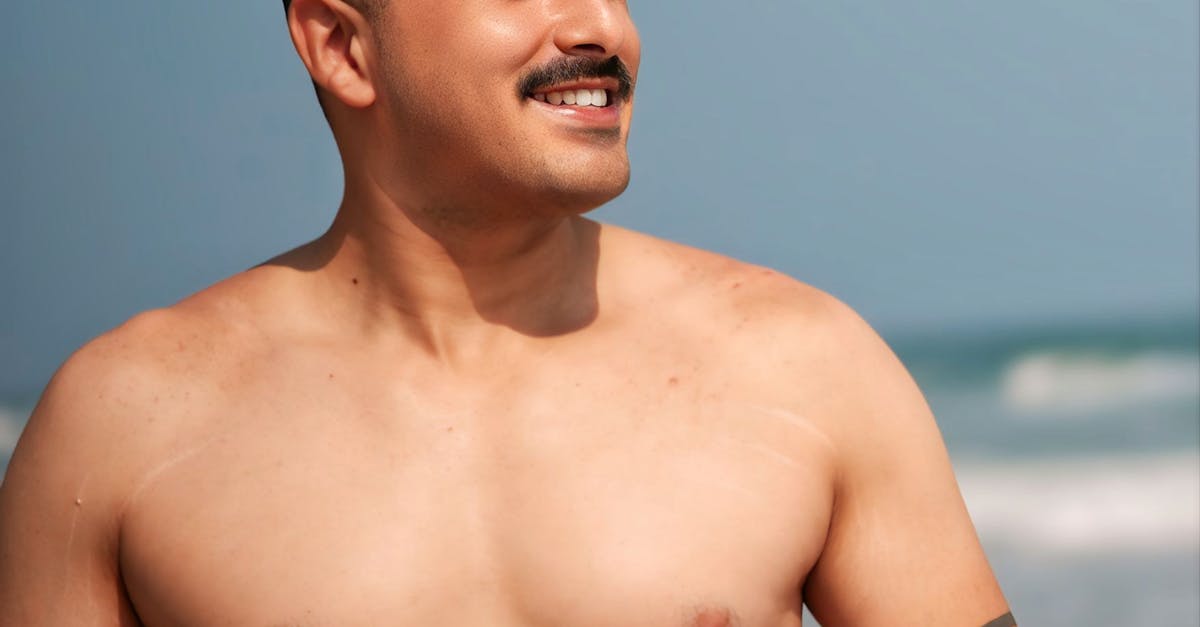
Why Aftercare is Essential for Preventing Tattoo Fading
Table Of Contents
Impact of Sun Exposure on Tattoos
Exposure to sunlight can have a detrimental effect on the vibrancy and longevity of tattoos. Ultraviolet (UV) rays penetrate the skin, breaking down the pigments used in ink and causing colours to fade over time. Darker inks, such as black and deep blue, might be more resilient, but even these can lose their intensity under prolonged sun exposure. Individuals often underestimate the harmful effects of sun exposure, believing that a tattoo is a permanent art form that remains unaffected by environmental factors. Lack of protection can lead to a dull appearance, diminishing the original artistry of the tattoo.
Moreover, the type of ink and the depth at which it is injected also play a role in how well a tattoo withstands UV rays. High-quality inks may be more resistant, while cheaper alternatives may fade rapidly. The fading process doesn't happen overnight but accumulates over time with each sun exposure. Understanding these impacts can motivate individuals to take better care of their tattoos. Implementing preventative measures is essential for maintaining the artwork long into the future.
Sun Protection Tips for Fresh Tattoos
Fresh tattoos require careful protection from the sun’s harsh rays. It's crucial to keep them covered, especially during the first few weeks of healing. Applying a broad-spectrum sunscreen with a high SPF is essential when exposed to sunlight. This helps prevent UV damage that can lead to fading. Avoid direct sunlight as much as possible and wear loose clothing over the tattooed area for added protection.
Consider using a tattoo-specific sunscreen, which is specially formulated to protect the ink while still allowing the skin to breathe. Reapply sunscreen every couple of hours, particularly if you're swimming or sweating. Staying in the shade during peak UV times is beneficial, and wearing a wide-brimmed hat can provide extra protection for larger tattoos. Taking these steps will help maintain the vibrancy of your new ink for years to come.
The Influence of Skin Type on Tattoo Longevity
Different skin types respond uniquely to tattoo ink and aftercare, influencing how well a tattoo holds its vibrancy over time. Oily skin often retains ink better due to its natural moisture, while dry skin may allow ink to flake and fade more quickly. Additionally, sensitive skin may experience irritation during the healing process, which can compromise the tattoo's appearance if not managed properly.
Understanding the nuances of your skin can aid in effective tattoo care. For instance, those with combination skin might need to focus attention on both oily and dry areas to ensure an even healing process. Tailoring aftercare based on skin type can help maintain the integrity of the tattoo and extend its visual longevity. Adapting moisturisation routines and sun protection measures to suit individual skin needs plays a crucial role in preserving the artwork.
Understanding Different Skin Needs
Skin type plays a crucial role in how tattoos heal and ultimately how well they retain their vibrancy over time. Oily skin tends to heal faster but may struggle with tattoo clarity, while dry skin can often lead to premature fading. Each skin type requires special consideration. People with sensitive skin may find that irritation compromises the quality of their tattoo, emphasising the importance of tailored aftercare. Selecting products suitable for your specific skin condition can enhance the healing process and improve longevity.
Understanding the unique characteristics of your skin can help in choosing the right moisturising and cleansing routines during the tattoo healing phase. For instance, those with combination skin may benefit from balancing products that do not overly dry out or excessively moisturise specific areas. Identifying how your skin reacts to various environmental factors is also important. Adapting your aftercare to suit these needs can ensure that the ink remains vibrant while maintaining your skin's overall health.
When to Seek Professional Help
Determining when to seek professional help for a tattoo can vary based on individual circumstances. Common signs that warrant a visit to a tattoo artist or dermatologist include excessive redness, prolonged swelling, and any sign of infection such as an unpleasant odour or discharge. It's crucial to monitor the healing process closely. If your tattoo appears uneven or if colours are fading unusually fast, these may also be indicators that professional assistance is necessary.
In some cases, an allergic reaction can occur, leading to itchy or bumpy skin around the tattoo. This type of response may require medical intervention to address symptoms and prevent further complications. Additionally, if you are considering touch-ups or modifications after initial healing, professional guidance ensures that the adjustments are made safely and effectively. Early intervention can often prevent more significant issues, preserving the quality and appearance of your tattoo.
Signs Your Tattoo Requires Expert Attention
Changes in your tattoo's appearance can be distressing, especially if you notice significant fading or discolouration. If the colours appear dull or washed out beyond what is expected from normal healing, it could indicate issues within the ink or skin layer. Unusual textures or scabbing that does not heal within a reasonable time frame may also warrant a visit to a professional. These changes can impact the longevity and vibrancy of your tattoo.
Other signs may include persistent redness, swelling, or pain around the tattooed area. If the area feels warm, or if you experience any discharge, these symptoms could suggest an infection or allergic reaction. Seeking professional assistance in these cases can prevent further complications. Regular check-ups can be beneficial, especially for larger tattoos or those on more sensitive skin.
FAQS
Why is aftercare important for newly inked tattoos?
Aftercare is crucial for newly inked tattoos because it helps to protect the skin, promotes healing, and prevents fading by ensuring that the ink settles properly and the skin remains hydrated.
How does sun exposure affect the longevity of my tattoo?
Sun exposure can significantly fade tattoos over time due to UV rays breaking down the ink pigments. This can lead to dullness and a loss of vibrancy in the design.
What are some effective sun protection tips for fresh tattoos?
Effective sun protection tips for fresh tattoos include using a high SPF sunscreen, wearing protective clothing, covering the tattoo with a bandage or cloth, and avoiding direct sunlight until the tattoo is fully healed.
How does skin type influence tattoo fading?
Different skin types can influence tattoo fading due to variations in oil production, moisture retention, and sensitivity. Oily skin may cause ink to spread, while dry skin may lead to cracking and fading.
When should I seek professional help for my tattoo?
You should seek professional help if you notice signs of infection, excessive fading, or if the tattoo is not healing properly. It's important to consult a professional to ensure your tattoo remains in optimal condition.
Related Links
The Connection Between Aftercare and Tattoo Infection PreventionEssential Aftercare Steps to Protect Your New Tattoo
Myth-Busting Common Misconceptions About Tattoo Aftercare
The Dos and Don'ts of Tattoo Aftercare for Sunshine Coast Ink
Avoiding Regret: The Long-Term Benefits of Tattoo Aftercare
Expert Tips on Why Aftercare Matters for Your Tattoo