How Environment Can Affect Tattoo Infection Risk
Table Of Contents
Risk from Outdoor Activities
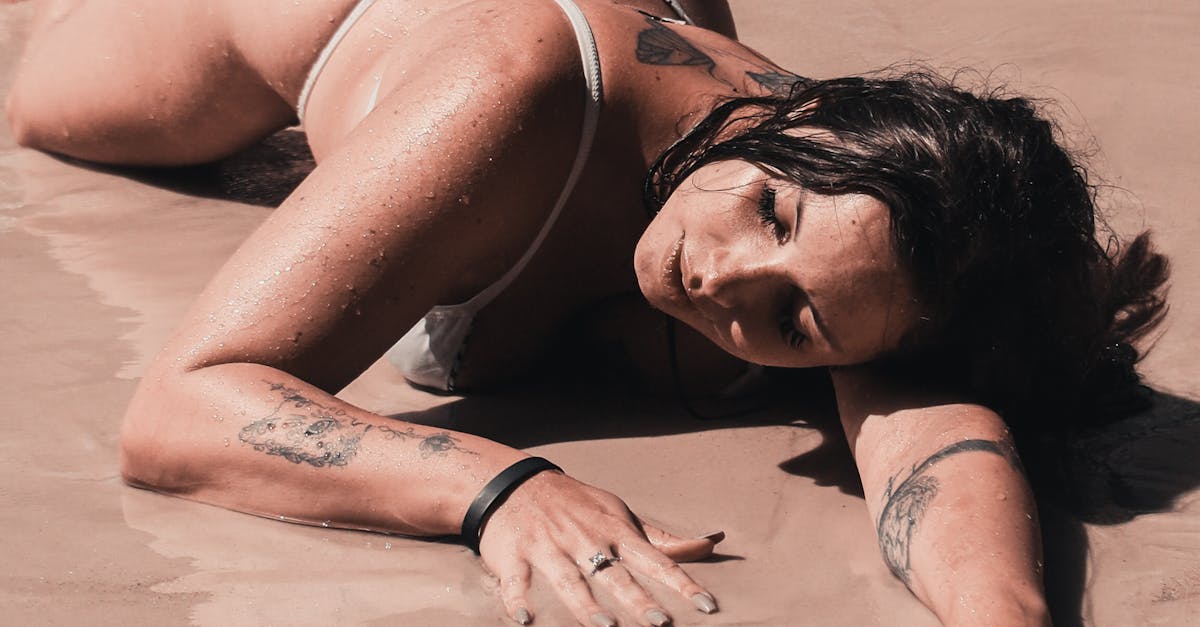
Engaging in outdoor activities poses increased risks for newly inked skin. The exposure to dirt, dust, and various environmental elements can lead to potential contamination of the tattoo site. Watersports and hiking through untamed environments further elevate these risks, as wet conditions can harbour bacteria that thrive in warm, shallow waters. Risky encounters with plants or insects can also jeopardise the healing process, potentially leading to infection.
Moreover, the Australian climate can contribute to infection risks faced by individuals with fresh tattoos. High humidity and extreme temperatures can create an ideal environment for bacteria to grow. As sweat increases during outdoor pursuits, moisture can become trapped under the healing tattoo, complicating the body’s natural healing mechanisms. Adequate precautions are necessary to minimise exposure during these activities, ensuring that the tattoo remains safe while you enjoy the great outdoors.
Protecting Your Tattoo While in Nature
When venturing into natural settings, it’s crucial to take specific steps to protect new tattoos from potential infection. Exposure to dirt, bacteria, and various environmental elements can pose significant risks. Wearing protective clothing, such as long sleeves or bandages, can provide a barrier against external contaminants. Additionally, it’s wise to avoid swimming in lakes, rivers, or oceans until the tattoo has fully healed, as water bodies can harbour harmful microorganisms that lead to complications.
After activities in outdoor environments, ensuring the tattoo is clean and dry plays a vital role in safeguarding its integrity. Gently washing the area with mild soap and water helps remove any residual dirt or sweat. Applying a suitable aftercare ointment can also aid in maintaining moisture and promoting healing. Staying vigilant about any signs of redness or swelling is essential, as early detection can prevent more severe issues from arising.
Personal Health and Immune Response
An individual's overall health plays a crucial role in how well their body can defend against infections, including those related to new tattoos. Factors such as pre-existing medical conditions, stress levels, and lifestyle choices like diet and exercise can influence the immune response. A well-functioning immune system is essential for healing and fighting off bacteria that might enter through a fresh tattoo. Individuals with compromised immune systems may face a higher risk of complications, underscoring the importance of being in good health before undergoing the tattooing process.
Certain medications and treatments, particularly those that suppress the immune system, can also impact the risk of infection. People undergoing chemotherapy or those with autoimmune diseases may need to consult medical professionals before getting a tattoo. It is vital to consider how the body’s defence mechanisms react to potential threats in the environment. By paying attention to personal health and ensuring the immune system is robust, individuals can reduce their risk of tattoo-related complications significantly.
How Your Body’s Defence System Influences Infection
The body’s immune system plays a crucial role in the healing process after getting a tattoo. When a needle punctures the skin, the immune response is activated to prevent infection. White blood cells, particularly neutrophils and macrophages, work to eliminate any pathogens that may enter through the broken skin barrier. A strong immune response can significantly reduce the risk of complications such as infections or prolonged healing times.
Individual variations in immune function can influence how quickly and effectively the body can respond to potential threats. Factors such as age, diet, and underlying health conditions impact overall immunity. Maintaining a healthy lifestyle, which includes a balanced diet rich in vitamins and minerals, can support immune function. People with weakened immune systems might be at a heightened risk for infections following a tattoo, emphasising the importance of understanding personal health prior to getting inked.
Choosing the Right Tattoo Artist
Selecting a skilled tattoo artist is essential for minimising the risk of infection. An artist with experience and reputable credentials is likely to understand best practices for hygiene and safety. Look for professionals who use sterile equipment and follow strict sanitation protocols. Checking reviews and asking for recommendations can provide insight into the artist’s quality and dedication to client safety.
It is important to visit a potential artist’s studio before committing to a tattoo. Pay attention to the cleanliness of the workspace and how the artist interacts with their environment. A tidy studio with disposable gloves, sanitised tools, and a general air of professionalism reflects the artist's commitment to hygiene. Discussing the artist's methods for preparing and caring for the tattoo will help gauge their knowledge and reliability.
Assessing Artist Hygiene Standards
When selecting a tattoo artist, it is essential to evaluate their hygiene standards carefully. A reputable artist will maintain a clean and sterile environment, using disposable tools whenever possible. Observing the setup of the tattoo station can reveal a lot about an artist's commitment to cleanliness. Look out for proper needle disposal containers and sanitised machines. These elements contribute significantly to reducing the risk of infection post-tattoo.
You should also inquire about the artist's personal hygiene practices. This includes whether they wear gloves during the procedure and how frequently they wash their hands. A professional artist will be transparent about their protocols and the steps taken to ensure safety. Evaluating these factors can help ensure that the tattooing experience is as safe as possible, minimising any potential health risks associated with the process.
FAQS
How can outdoor activities increase the risk of tattoo infections?
Outdoor activities expose your tattoo to dirt, bacteria, and other pathogens that can lead to infections, especially if the tattoo is still healing.
What precautions should I take to protect my tattoo while in nature?
To protect your tattoo, avoid swimming in natural bodies of water, keep it clean and covered with a breathable bandage, and stay away from activities that may cause excessive sweating or friction on the tattooed area.
How does my personal health affect my risk of tattoo infection?
Your overall health, including any existing conditions and immune response, can influence your susceptibility to infections. A weakened immune system may increase the risk of complications post-tattoo.
What role does my body's defence system play in tattoo infection risk?
Your immune system is responsible for fighting off infections. If your body is healthy and functioning well, it is more likely to effectively combat any bacteria that may enter through the tattooed area.
How can I assess the hygiene standards of a tattoo artist?
You can assess a tattoo artist's hygiene standards by checking their studio for cleanliness, observing their tools and equipment for proper sterilisation, and asking about their procedures for maintaining a safe and sanitary environment.
Related Links
Post-Tattoo Care: Distinguishing Between Normal Healing and InfectionSteps to Take if You Suspect Your Tattoo is Infected
Local Resources for Tattoo Infection Support on the Sunshine Coast
Recognising Allergic Reactions vs. Infection in Tattoos
Common Misconceptions About Tattoo Infections and Treatment
The Importance of Seeking Help for Infected Tattoos