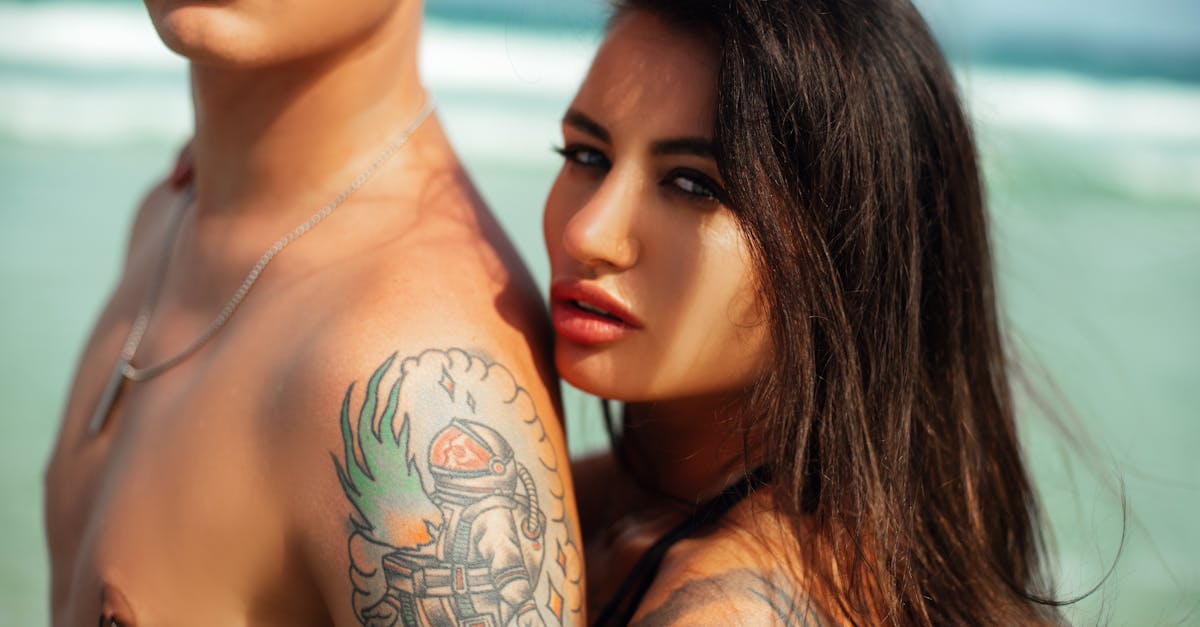
Fusion of Styles: When Traditional Meets Contemporary Tattoos
Table Of Contents
The Evolution of Tattoo Art
Tattoo art has undergone significant transformations throughout history, reflecting cultural shifts and social changes. Initially, it served purposes beyond mere decoration, often linked to rituals, status, or identity. Ancient civilisations such as the Egyptians and Maori used tattoos to signify important life milestones and to honour their heritage. With the passage of time, these practices evolved, leading to the emergence of distinct styles that mirrored the values and beliefs of different eras.
In the modern age, tattooing has embraced a variety of influences, blending traditional techniques with contemporary aesthetics. The rise of street art and urban culture has infused new life into tattoo artistry, resulting in innovative designs that challenge conventional boundaries. Artists today draw inspiration from various sources, including graphic design, fine art, and even digital media. This dynamic evolution not only broadens the scope of tattoo styles available but also encourages conversations about identity and personal expression within this vibrant medium.
Historical Influences on Modern Styles
Tattooing has a rich history that stretches across various cultures and epochs, often reflecting societal values, beliefs, and practices. Ancient civilisations such as the Māori, Egyptians, and Indigenous Australians used tattoos as symbols of status, rites of passage, or tribal affiliations. These traditions have left a significant mark on the contemporary landscape of tattoo art, where elements from historical designs merge with modern aesthetics to create entirely new expressions.
The resurgence of interest in traditional tattoo styles has prompted artists to explore historical motifs reimagined through a contemporary lens. Styles like Japanese Irezumi, tribal tattoos, and classic American designs find themselves reinterpreted in innovative ways, appealing to a diverse clientele seeking personal connections to their tattoos. This blend of past and present allows for a richer narrative within each piece, offering both visual depth and cultural significance that resonates with the modern individual.
Techniques for Creating Fusion Tattoos
A variety of techniques are employed by tattoo artists to create fusion tattoos that seamlessly blend traditional and contemporary styles. One popular method is layering, where artists apply traditional motifs as a base and then enhance them with modern elements. This approach allows for the preservation of historical significance while introducing vibrant colours and abstract designs. Artists often utilise stencils for precise outlines and then focus on shading techniques that reflect both styles. By contrasting different levels of detail, they create depth that captivates the viewer.
Moreover, the use of mixed media in tattooing has gained traction, as artists experiment with incorporating various tools and technologies. Digital design software enables them to visualise their ideas before inking, allowing for greater flexibility and creativity. Additionally, the combination of traditional hand-poke techniques with machine work can produce unique textures and effects. This hybrid approach not only showcases an artist's skill but also invites clients to engage in a collaborative process, resulting in tattoos that are distinctly personal and artistically innovative.
Blending Techniques for Unique Results
The fusion of traditional and contemporary tattoo techniques allows for a distinctive and personal expression of art on the skin. Artists often employ a blend of line work, shading, and colour palettes that draw from various styles, creating pieces that stand out. For instance, the delicate lines of traditional Japanese tattooing can be paired with the bold colours typical of modern graphic designs. This interplay between different methodologies results in tattoos that not only pay homage to their roots but also push the boundaries of what is possible within the medium.
To achieve these unique results, many artists experiment with layering techniques and varying ink consistencies. Gradients can be introduced within traditional motifs, or new elements may be added to classic designs, enhancing depth and visual impact. This approach offers greater flexibility and allows artists to tailor their work to individual client preferences. The result is a tattoo that feels fresh and contemporary while still honouring the rich history and cultural significance of traditional styles.
The Role of Artists in Style Fusion
Tattoo artists play a crucial role in the fusion of traditional and contemporary styles. These skilled individuals not only possess technical expertise but also draw inspiration from various cultural backgrounds. By understanding the historical significance of traditional patterns and the aesthetics of modern designs, artists create unique pieces that resonate with both heritage and contemporary trends. This process requires an open-minded approach as well as the ability to adapt and innovate.
Collaboration among artists further enriches style fusion. Many tattooists engage in discussions, sharing insights about tools, techniques, and the philosophies behind their chosen styles. This exchange fosters a community that nurtures creativity and encourages experimentation, leading to hybrid designs that push the boundaries of conventional tattoo art. Notable fusion tattoo artists often become leaders in this movement, influencing new generations to explore the diverse possibilities that arise from blending different tattooing traditions.
Profiles of Notable Fusion Tattoo Artists
In the realm of fusion tattoos, artists like Kat Von D have made significant contributions by blending bold traditional elements with intricate contemporary designs. Her ability to seamlessly combine vibrant colours with classic motifs has captured a diverse clientele. Each piece tells a story, rooted in personal experience while celebrating tattooing's rich history. Meanwhile, artists like Dan Smith exemplify this trend by incorporating organic shapes within geometric frameworks, pushing the boundaries of both styles. His work often invites viewers to ponder the relationship between nature and modern aesthetics.
Another prominent figure is Amanda Wachob, known for her watercolour tattoos that challenge conventional lines and shading. Her innovative techniques blur the lines between tattooing and fine art, creating unique pieces that evoke emotion and movement. Wachob's work often draws inspiration from traditional art forms, fostering a dialogue between various artistic disciplines. At the forefront of this fusion movement, these artists not only redefine the tattooing landscape but also encourage others to explore new creative horizons through the merging of styles.
FAQS
What are fusion tattoos?
Fusion tattoos are designs that blend traditional tattoo styles with contemporary elements, creating a unique and innovative look that reflects both historical influences and modern aesthetics.
How have historical influences shaped modern tattoo styles?
Historical influences, such as tribal, Japanese, and traditional Western tattoos, have provided a foundation for modern styles. These influences are often reinterpreted with contemporary techniques and themes, resulting in a diverse range of fusion tattoos.
What techniques are commonly used to create fusion tattoos?
Common techniques include layering different styles, using contrasting colour palettes, and incorporating diverse patterns and imagery. Artists may also experiment with shading and line work to achieve a harmonious blend of traditional and contemporary elements.
Can anyone get a fusion tattoo, or is it better suited for specific themes?
Anyone can get a fusion tattoo, but it’s particularly well-suited for individuals looking to express a blend of personal stories, cultural backgrounds, or aesthetic preferences. Working with an experienced artist can help ensure the design aligns with your vision.
Who are some notable fusion tattoo artists?
Some notable fusion tattoo artists include Nikko Hurtado, known for his colour realism, and Kat Von D, who combines traditional elements with a modern twist. These artists have gained recognition for their unique styles and ability to blend various tattoo techniques.
Related Links
Custom Portrait Tattoos: Capturing Memories on SkinExploring Watercolour Tattoo Techniques on the Sunshine Coast
The Appeal of 3D Tattoos in Sunshine Coast Studios
Innovative Use of Negative Space in Tattoo Designs
Cultural Symbolism in Polynesian-Inspired Tattoo Art
Bold and Beautiful: The Impact of Neo-Traditional Tattoos
The Popularity of Minimalist Tattoos in Sunshine Coast Studios
Celebrating Indigenous Art through Unique Tattoo Designs
The Rise of Geometric Tattoos in Local Studios