Exploring Polynesian Traditional Designs Among Local Tattoo Artists
Table Of Contents
Choosing the Right Artist
Selecting a tattoo artist is a crucial step in ensuring that the final piece of art embodies traditional Polynesian designs authentically. Artists should have a strong portfolio showcasing their previous work, particularly pieces inspired by Polynesian culture. Look for practitioners who not only understand the aesthetic aspects but also have a deep respect for the cultural significance behind the designs. Engaging with local tattoo communities can offer valuable insights, as word-of-mouth recommendations often lead to discovering talented artists who prioritise authenticity.
Another important aspect is the artist's approach to the tattooing process itself. A reputable artist will take the time to explain the methods they use and the materials involved. Additionally, consider their willingness to discuss the history and meaning of specific symbols and patterns. This dialogue not only enhances the client’s understanding but also fosters a more meaningful connection to the artwork being created. Trust and communication between the artist and client are essential in achieving the desired outcome, ensuring that the final design is both personal and culturally resonant.
Factors to Consider for Authenticity
When selecting a tattoo artist, cultural authenticity plays a significant role in capturing the essence of Polynesian designs. Artists with a deep understanding of the cultural history and symbolism tied to these patterns can create more meaningful works. Researching the artist's background, including their training and experience, can offer insights into their expertise in traditional techniques. Engagement with local communities and participation in cultural events also reflect an artist's commitment to preserving and honouring Polynesian heritage.
Another key factor is the artist’s portfolio, which should showcase a range of traditional designs alongside client testimonials. Authentic Polynesian tattoos often reflect spiritual beliefs and familial connections, making it crucial for the artist to convey these elements in their work. Look for clarity in the motifs used; each design carries specific meanings that resonate within the culture. An artist who can articulate the significance of their designs demonstrates a deeper respect for the traditions they uphold.
The Impact of Modern Trends
Modern trends have significantly influenced the practice of tattooing, leading to a fusion of traditional Polynesian designs with contemporary aesthetics. Many local artists now incorporate innovative techniques and materials, attracting a broader clientele. This evolution allows for more personalised interpretations of traditional motifs, with artists often adding unique flair while honouring the cultural significance behind each design.
As the popularity of tattoos grows, so does the demand for diverse styles and placements. This shift in consumer preferences encourages tattoo artists to adapt, fusing vibrant colours and new forms with ancient patterns. While this blending can create captivating artwork, it also raises concerns about maintaining the authenticity of traditional designs, prompting discussions within the community about preserving cultural heritage amid changing artistic landscapes.
Blending Traditional and Contemporary Styles
Tattoo artists today are increasingly expressing their creativity by merging Polynesian traditional designs with contemporary aesthetics. This fusion allows for unique interpretations of cultural symbols while appealing to a broader audience. Artists often retain the core elements of traditional motifs, such as intricate patterns and meaningful forms, and adapt them to suit modern tastes. The outcome is a fresh visual language that retains cultural significance while inviting personal expression.
Contemporary styles often incorporate new techniques and technologies that enhance the tattooing process. For example, advancements in ink formulations provide a wider array of colours that can complement traditional black line work. Moreover, the inclusion of contemporary themes or motifs alongside traditional designs allows for a conversation between the old and new. This blending not only enriches the artistic experience but also fosters dialogue about cultural heritage and modern identity within the tattoo community.
Health and Safety in Tattooing
Prioritising health and safety in tattooing is essential for both artists and clients. Some artists follow strict hygiene protocols to prevent infections and ensure a safe environment. Using sterilised equipment and adhering to local health regulations play a significant role in maintaining standards. Many studios also incorporate disposable materials, minimizing cross-contamination risks. Transparency about these practices fosters trust between the tattoo artist and the client.
In addition to cleanliness, artists must also consider the potential for allergic reactions to certain inks and materials. Conducting patch tests and discussing any known allergies beforehand can help mitigate risks. Ensuring that the workspace is well-ventilated and equipped for emergencies adds another layer of safety to the tattooing process. Elements such as aftercare advice and follow-up appointments further contribute to the overall safety and success of the tattoo experience.
Best Practices in Tattoo Studios
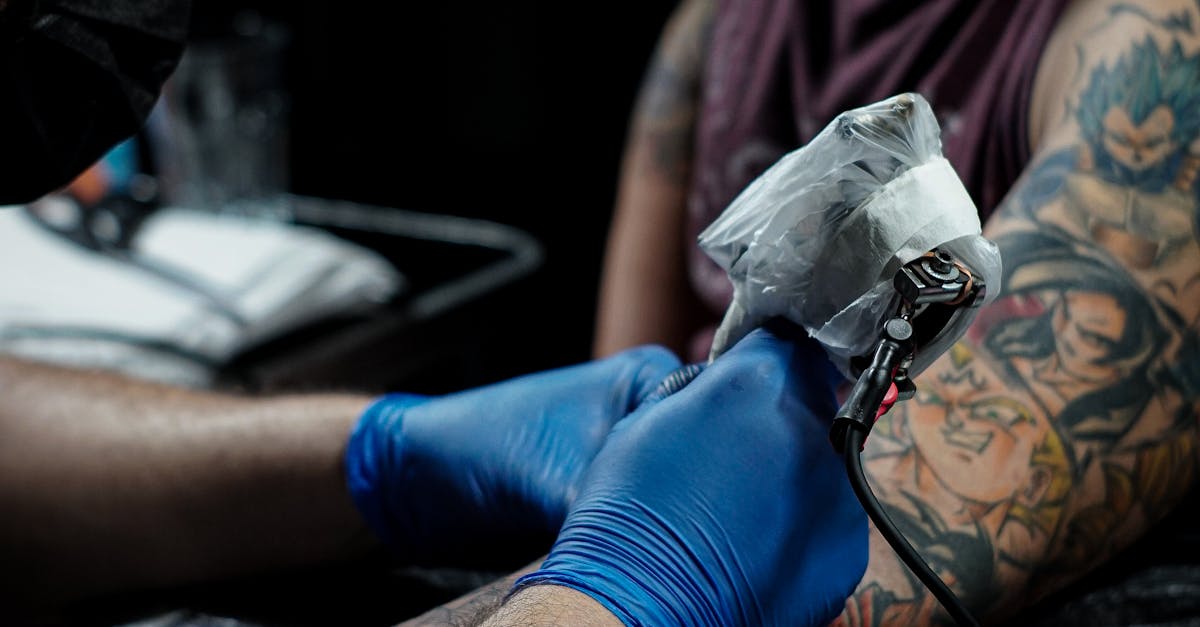
A clean and hygienic environment is crucial in any tattoo studio. Artists should ensure that all equipment is sterilised and properly maintained. Single-use items, such as needles and ink caps, should be disposed of after each session to prevent cross-contamination. This commitment to cleanliness fosters a safe experience for clients. It is equally important for artists to wear gloves throughout the tattooing process, adhering to strict hygiene practices.
Both the artist and the client should engage in open communication before starting the tattoo. This dialogue allows clients to express their ideas and preferences while artists clarify the design process and expected outcomes. Providing a comfortable atmosphere encourages clients to ask questions about the tattooing process and aftercare instructions. Ensuring that clients feel informed and relaxed contributes significantly to their overall satisfaction with the experience.
FAQS
What should I look for when choosing a tattoo artist for Polynesian designs?
When choosing a tattoo artist for Polynesian designs, it’s important to consider their experience with traditional styles, their portfolio of previous work, and their understanding of the cultural significance behind the designs. Look for reviews and recommendations from previous clients to ensure authenticity and skill.
How can I verify the authenticity of Polynesian tattoo designs?
To verify the authenticity of Polynesian tattoo designs, research the specific symbols and patterns to understand their meanings and cultural importance. Additionally, consult with the tattoo artist about their knowledge and previous work, and consider seeking guidance from cultural practitioners or experts in Polynesian art.
Are modern tattoo trends affecting traditional Polynesian designs?
Yes, modern tattoo trends have influenced traditional Polynesian designs, often leading to a blend of styles. While some artists strive to keep the traditional elements intact, others incorporate contemporary techniques and aesthetics. It’s essential to communicate your desires clearly and understand the artist's approach.
What is the importance of health and safety in tattooing?
Health and safety in tattooing are crucial to prevent infections and complications. This includes using sterilised equipment, maintaining a clean workspace, and following proper aftercare procedures. Always choose a reputable tattoo studio that adheres to health regulations and guidelines.
What best practices should I expect from a tattoo studio?
In a reputable tattoo studio, you should expect staff to wear gloves, use new and sterilised needles, maintain a clean environment, and provide aftercare instructions. Additionally, the studio should be licensed and meet local health regulations to ensure the safety of their clients.
Related Links
The Role of Aboriginal Stories in Personal Tattoo NarrativesSymbolism of Nature in Sunshine Coast Tattoo Artwork
The Influence of Surf Culture on Tattoo Choices
Fusion of Modern and Traditional Styles in Sunshine Coast Tattoos
The Rise of Spiritual and Mythological Tattoos in Australia
Coastal Inspirations: How the Beach Shapes Tattoo Art