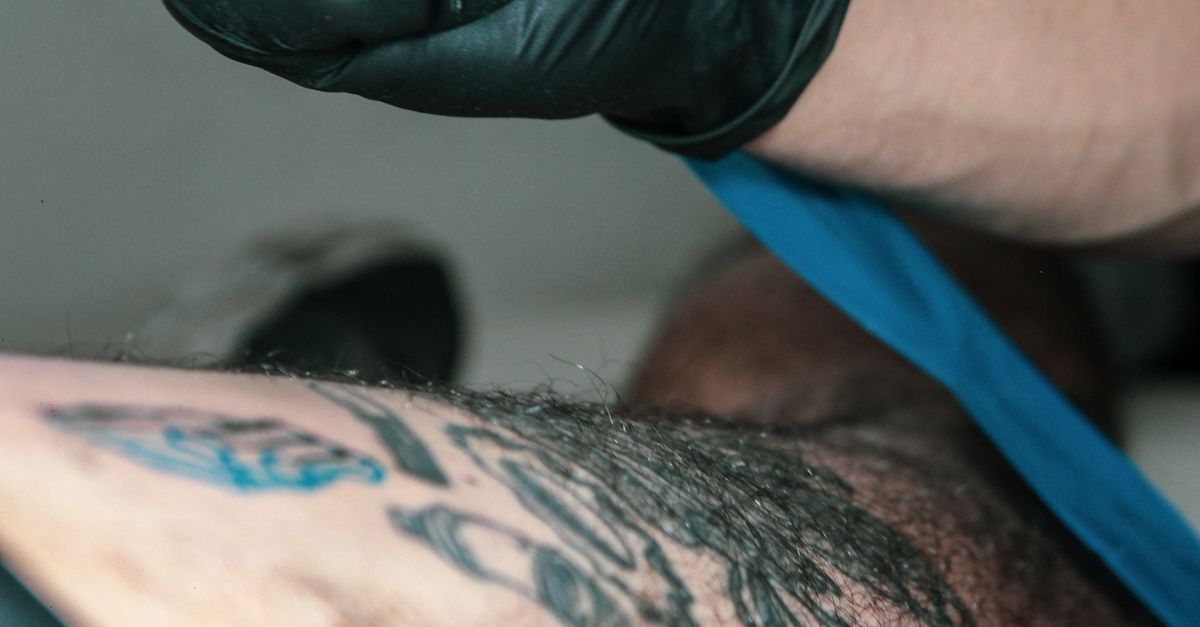
Art in Progress: The Journey of New Tattoo Artists in Local Studios
Table Of Contents
Developing Client Relationships
Building trust with clients is essential for any tattoo artist, particularly those new to the industry. When clients feel comfortable and secure, they are more likely to return for future work and recommend the artist to their friends and family. Establishing rapport can begin with the initial consultation, where artists listen to clients' ideas and preferences. This active engagement shows that the artist values their input and cares about translating their vision effectively.
Maintaining open lines of communication plays a pivotal role in nurturing these relationships. Regular updates regarding the tattoo process and aftercare can enhance the client’s experience. Offering a welcoming atmosphere in the studio also contributes to making clients feel respected and appreciated. Personal touches, such as remembering previous conversations or following up after a session, can transform a one-time visit into a loyal clientele.
Effective Communication and Trust
Building strong client relationships hinges on effective communication. New tattoo artists must learn to actively listen to clients’ ideas and preferences. Understanding their vision requires more than just hearing words; it involves reading body language and responding appropriately. Questions should be welcomed, as they help clarify expectations. Providing detailed information about the tattoo process, aftercare, and potential risks fosters a sense of transparency.
Trust is earned through consistent and honest interactions. Delivering on promises creates a foundation that clients can rely on, leading to positive word-of-mouth and repeat business. Sharing personal experiences and stories about inspiration can help in connecting with clients on a deeper level. When clients feel comfortable expressing their concerns, artists are better equipped to address them, paving the way for a collaborative atmosphere in the studio.
Navigating the Challenges of the Industry
Entering the tattoo industry presents a unique set of challenges that new artists must navigate. Many face fierce competition not only from established tattooists but also from the ever-evolving landscape of trends and styles. As artists strive to carve out their niche, they often deal with the pressure to continuously innovate while maintaining a distinct personal style. The complexities of understanding equipment, sanitation procedures, and skin types add layers of difficulty, requiring a commitment to education and skill development.
Building a strong portfolio can also be daunting for newcomers. It involves not just showcasing technical ability but also capturing the essence of their artistic vision. Many artists begin with low-paying gigs or even unpaid work to gain experience and exposure. This initial phase can be frustrating, especially when paired with the need to establish a clientele. The challenge lies in balancing artistic integrity with the demands of commercial viability while fostering a reputation that resonates within the community.
Overcoming Common Obstacles in Tattooing
New tattoo artists face a variety of challenges that can hinder their growth and success in the industry. One major hurdle is developing a unique style that stands out in a saturated market. Many beginners struggle with client expectations, often feeling pressured to replicate popular designs rather than exploring their artistic voice. Finding balance between client requests and personal creativity becomes essential for long-term satisfaction and career progression.
Building a steady clientele can also prove to be a significant obstacle. Many new artists rely heavily on word-of-mouth referrals, which can take time to cultivate. Networking within the local community and collaborating with established artists can be beneficial strategies. Artists should also consider offering initial discounts or promotional deals to attract more clients. Implementing these tactics can gradually foster a loyal customer base while enhancing their portfolio.
The Influence of Social Media on Tattoo Artists
Platforms like Instagram and TikTok have transformed the way tattoo artists showcase their skills and connect with potential clients. By sharing high-quality images and videos, artists can create visually engaging portfolios that highlight their unique styles. This immediate access to a broad audience allows emerging talents to break through traditional barriers, gaining visibility that might otherwise take years to achieve.
Social media not only serves as a promotional tool but also facilitates community building within the tattoo world. Artists often engage with fellow tattooists and clients through comments and direct messages, fostering a sense of belonging. Such interactions can lead to collaborations, apprenticeships, and even client referrals, significantly impacting an artist’s growth and reputation in a competitive industry.
Promoting Your Work Online
Having an online presence is crucial for new tattoo artists seeking to establish themselves. Social media platforms like Instagram and TikTok have become essential tools for showcasing artwork and building a client base. These platforms allow artists to display their portfolios in a visually appealing manner, creating opportunities to connect with potential clients. Regularly posting high-quality images of completed tattoos, work in progress, and behind-the-scenes glimpses can engage followers and draw attention to the artist's unique style.
Moreover, interacting with followers can strengthen relationships and foster a sense of community. Responding to comments and messages shows appreciation for client input and builds trust. Participating in online tattoo challenges or collaborations can also enhance visibility. Leveraging hashtags relevant to the tattoo industry can help artists reach wider audiences. A well-curated online profile, combined with personalised interactions, paves a fertile ground for a thriving tattooing career.
FAQS
How can new tattoo artists build strong client relationships?
New tattoo artists can build strong client relationships by prioritising effective communication, actively listening to clients' ideas and concerns, and ensuring a comfortable and welcoming environment in the studio.
What are some common challenges faced by new tattoo artists?
New tattoo artists often face challenges such as establishing a clientele, dealing with the pressure of developing their style, managing the business side of their practice, and overcoming the stigma associated with being a newcomer in the industry.
How important is social media for tattoo artists?
Social media is crucial for tattoo artists as it serves as a platform for showcasing their work, connecting with potential clients, and building a personal brand within the tattoo community.
What strategies can new tattoo artists use to promote their work online?
New tattoo artists can promote their work online by regularly posting high-quality images of their tattoos, engaging with followers, using relevant hashtags, collaborating with other artists, and sharing their artistic journey to build authenticity.
How can new tattoo artists overcome the fear of working with clients?
New tattoo artists can overcome the fear of working with clients by gaining experience through practice, seeking mentorship from experienced artists, and gradually building confidence through positive client interactions and feedback.
Related Links
Personal Touch: Custom Designs from Emerging Tattoo ProfessionalsSpotlight on Talent: A Look at the Work of New Tattoo Artists
Youthful Vibes: How Young Artists are Redefining Tattoo Trends
Behind the Needle: The Stories of Emerging Tattooists on the Sunshine Coast
Showcasing Diversity: Unique Designs from New Tattoo Artists on the Coast